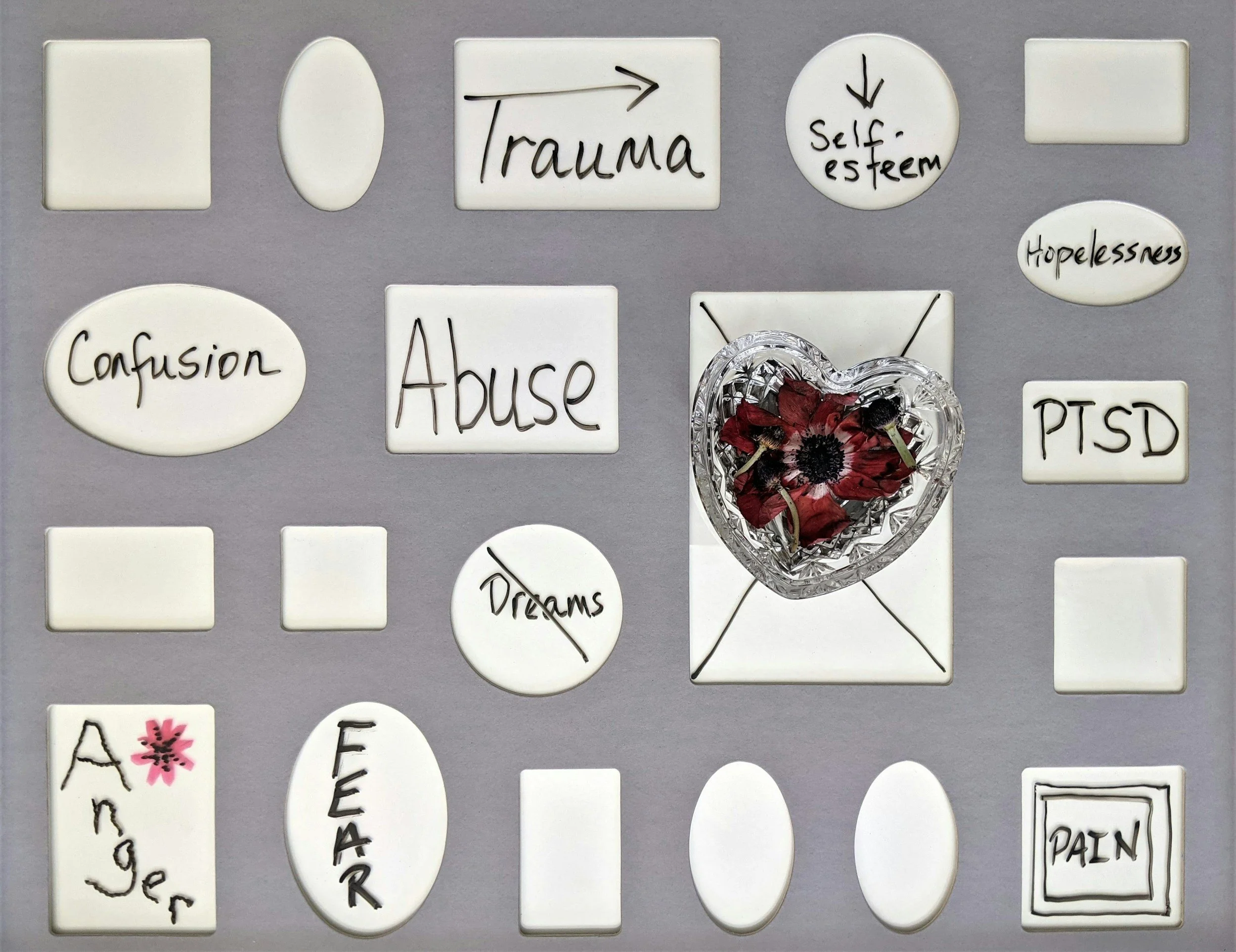

EMDR, or Eye Movement Desensitization and Reprocessing, is a well-known therapy for trauma, but it’s often misunderstood. Many people wonder if it’s safe, how it works, or whether it’s the right fit for them. Understanding EMDR can help reduce fears and clarify what to expect during the healing process.
Read MoreTrauma can leave a lasting impact on our emotions, relationships, and sense of safety. Yet when it comes to seeking therapy, many people feel overwhelmed by the sheer number of options. From talk therapy to body-focused approaches, it can be confusing to know which method will help most. Understanding the different trauma-informed therapies can empower you to make an informed choice and find a path toward healing.

Read MoreFor many adults, the effects of trauma extend beyond individual emotions or physical symptoms, they show up in relationships. You might notice patterns of conflict, avoidance, or emotional distance, or feel that intimacy and trust are more difficult than they should be. These struggles are often confusing and can make it hard to understand why relationships feel challenging, even when you consciously want connection.
Read MoreMany adults struggle with physical symptoms that seem to have no clear medical explanation: chronic pain, persistent fatigue, gastrointestinal issues, or sleep disturbances. You may feel frustrated after repeated doctor visits, testing, and treatments, wondering why nothing seems to fully resolve the discomfort.
Read MoreTrauma doesn’t always look like what we expect. You might imagine trauma as a single, dramatic event with clear aftermath, but for many adults, its effects can be subtle, pervasive, or hidden for years. Often, people only notice the impact when patterns in emotions, behaviors, or relationships begin to feel distressing or limiting.
Read MoreWhen people think of trauma, they often picture something that happened, a specific event, a moment of harm, or something clearly identifiable. But for many individuals, the most impactful experiences are not about what happened. They’re about what didn’t happen. This is where emotional neglect comes in. And despite how deeply it can affect someone, it is often dismissed with thoughts like, “Nothing bad really happened to me.”
Read MoreIf you’ve been exploring trauma and mental health, you may have come across terms like PTSD and complex trauma, and wondered what they actually mean.
The language around trauma diagnoses can feel confusing, especially when symptoms overlap or don’t neatly fit into one category. You might recognize parts of your experience in both descriptions, or feel unsure where you “fit.” Understanding the differences between PTSD and complex trauma can help bring clarity, not for the sake of labeling, but for finding the kind of support that best meets your needs.
Read MoreMany people who have experienced something difficult find themselves asking a quiet but persistent question: “Does this even count as trauma?”
It’s common to compare your experiences to others, especially to more visibly extreme situations, and come to the conclusion that what you went through “wasn’t that bad.” You might minimize it, explain it away, or feel hesitant to use the word trauma at all.
Read More