


Many adults struggle with physical symptoms that seem to have no clear medical explanation: chronic pain, persistent fatigue, gastrointestinal issues, or sleep disturbances. You may feel frustrated after repeated doctor visits, testing, and treatments, wondering why nothing seems to fully resolve the discomfort.
Read More
Trauma doesn’t always look like what we expect. You might imagine trauma as a single, dramatic event with clear aftermath, but for many adults, its effects can be subtle, pervasive, or hidden for years. Often, people only notice the impact when patterns in emotions, behaviors, or relationships begin to feel distressing or limiting.
Read More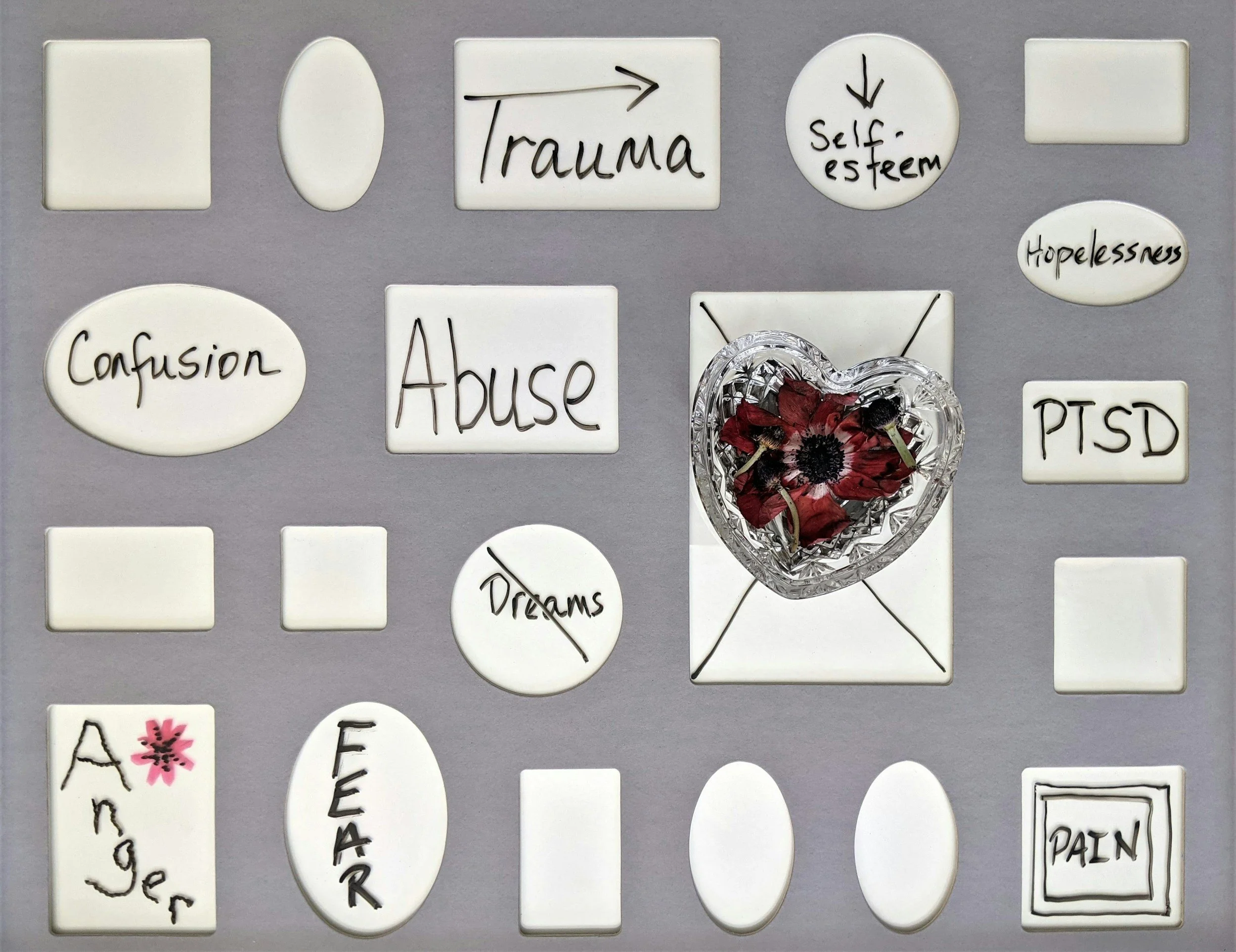
Many people who have experienced something difficult find themselves asking a quiet but persistent question: “Does this even count as trauma?”
It’s common to compare your experiences to others, especially to more visibly extreme situations, and come to the conclusion that what you went through “wasn’t that bad.” You might minimize it, explain it away, or feel hesitant to use the word trauma at all.
Read More
A common question many people quietly carry is: “Was it bad enough to count as trauma?”
You may find yourself comparing your experiences to others, minimizing what you went through, or wondering if you’re “overreacting.” This uncertainty is incredibly common, and it may also be a substantial barrier to seeking support. The truth is, trauma isn’t defined by a checklist of events. It’s defined by how your mind and body responded to what you experienced.
Read More